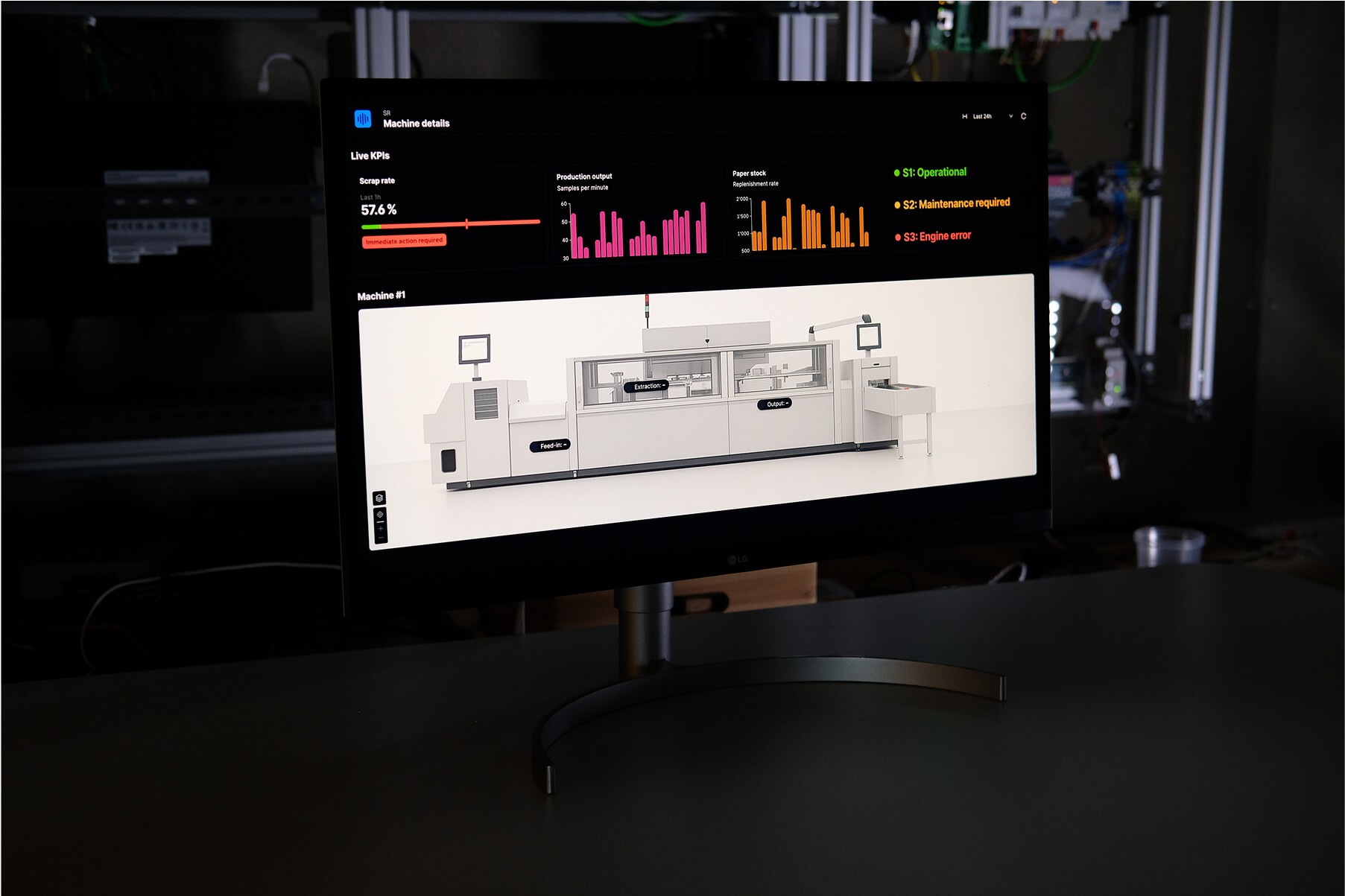
Monitoring acts as the nervous system of an industrial operation. This is particularly true for critical infrastructure, like pipelines and pumps. Real-time data tells you how to reach peak capacity without over-stressing individual components.

Why does industrial monitoring matter?
Warming homes in Iceland with Rafal
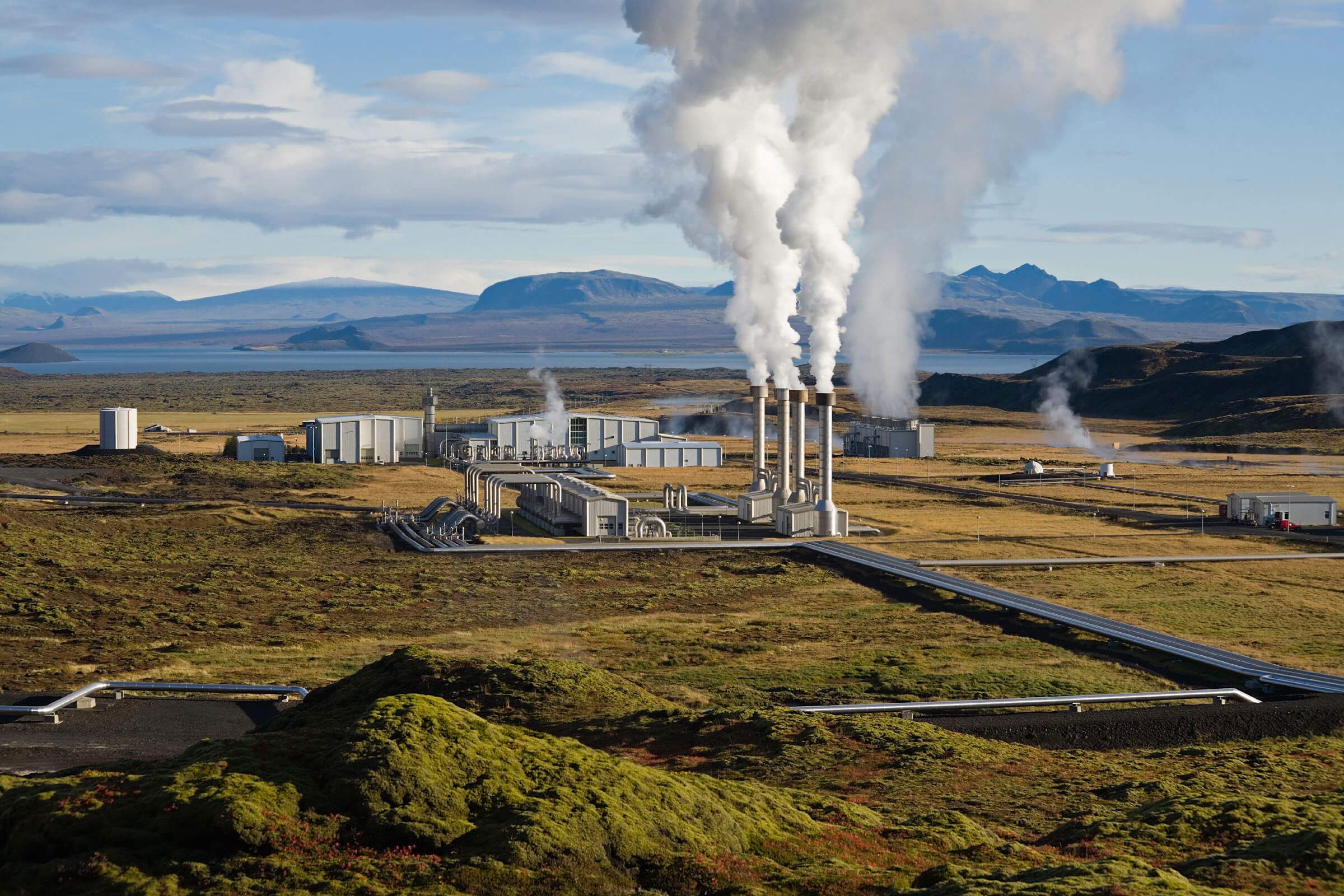
90% of homes in Iceland are heated by geothermal energy. A reliable hot water supply is crucial. Geothermal heat is distributed through a vast network of pipes to households nationwide. Rafal, an Icelandic electrical services provider, works with Veitur Utilities, Iceland’s largest utility company and collaborates with akenza to transform the way geothermal energy systems are monitored and managed.
Rafal and akenza monitor the 27-kilometer-long Nesjavellir hot water pipeline remotely.
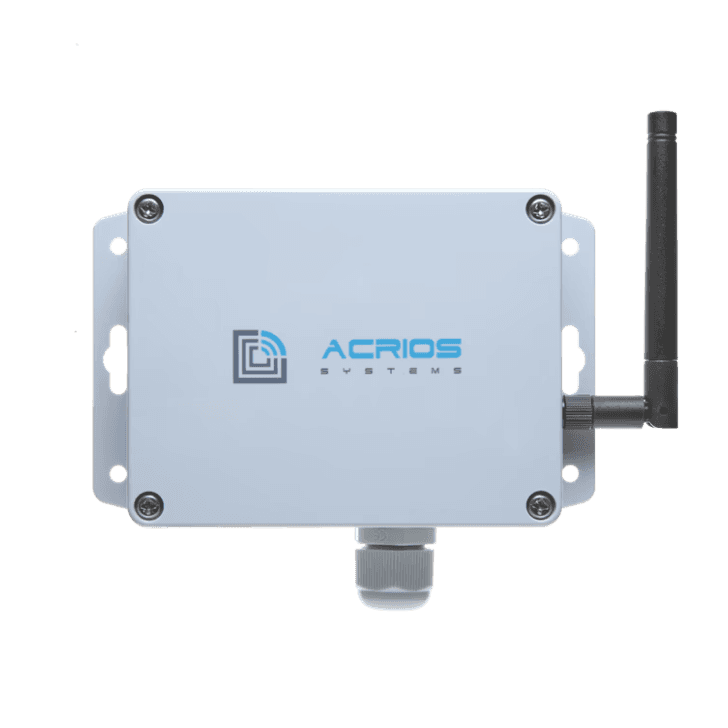
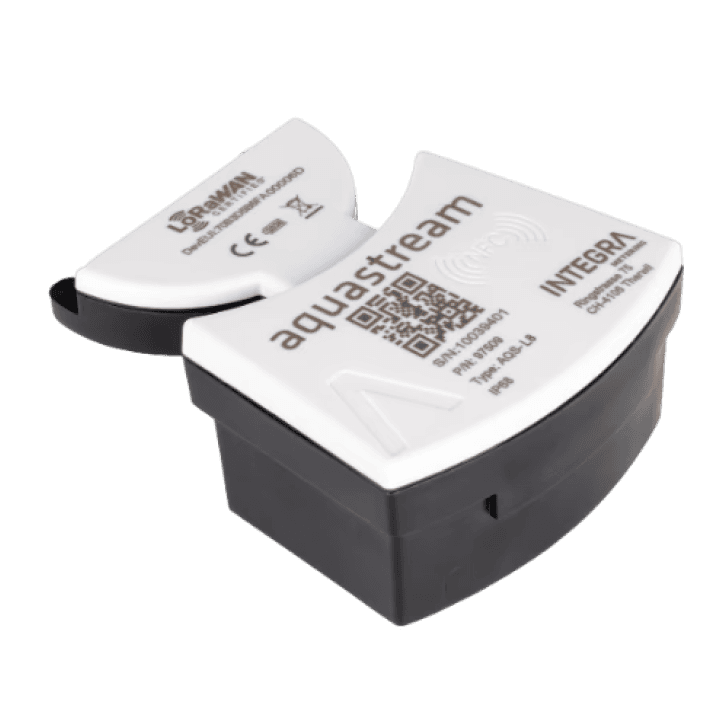
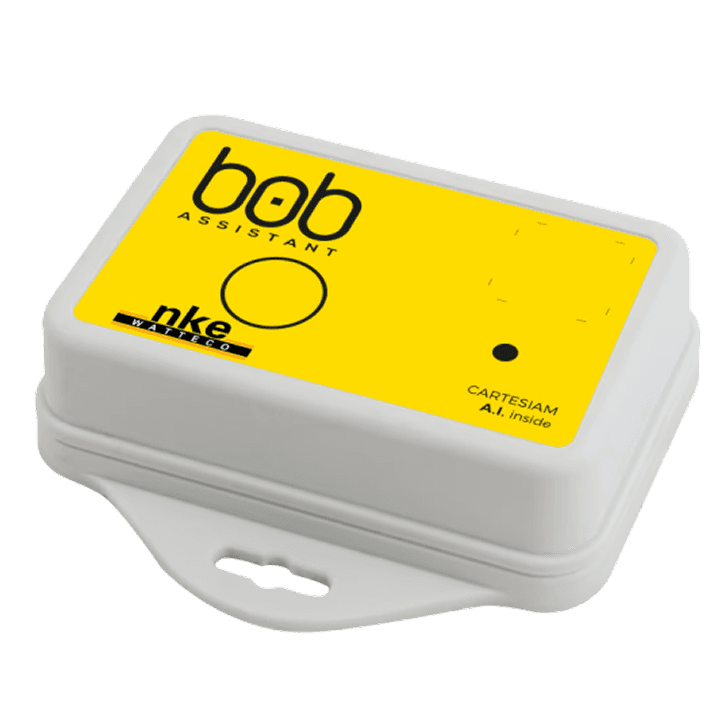
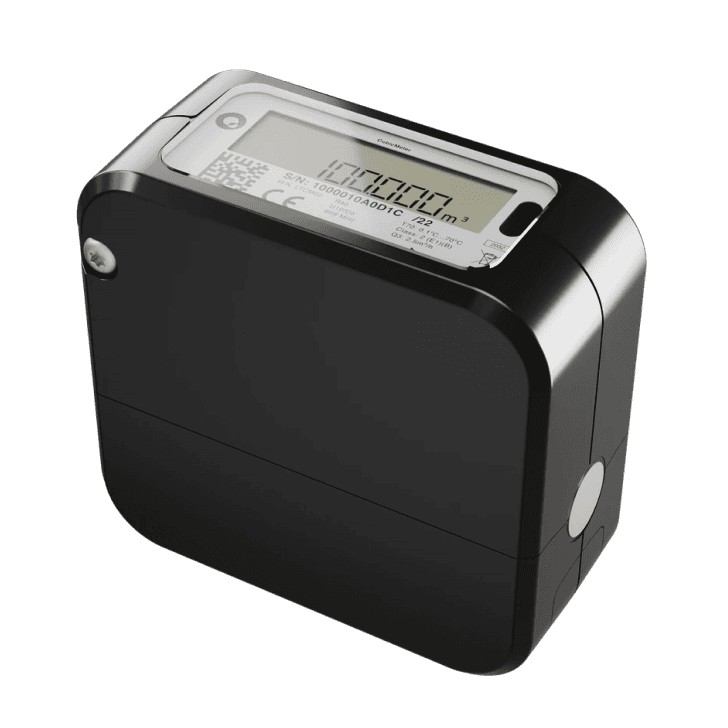
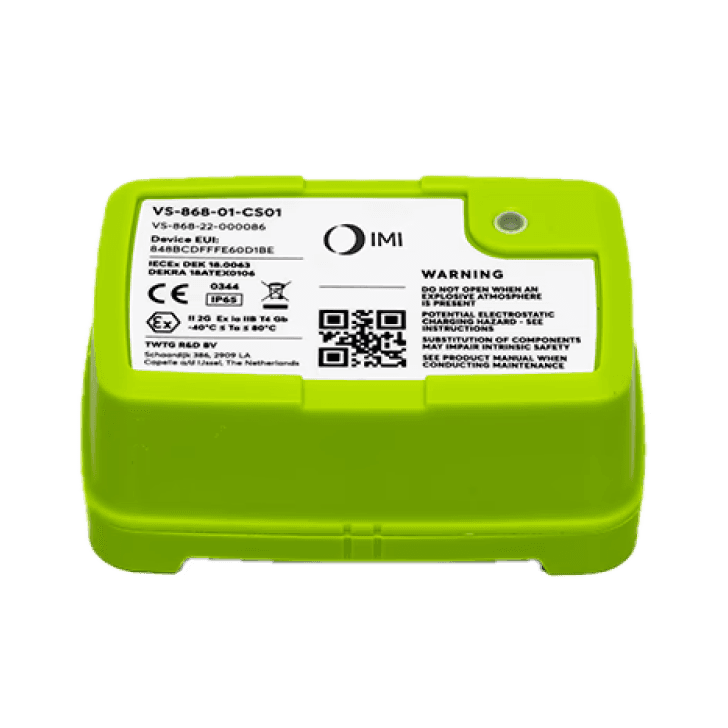
LoRaWAN connects valve houses so isolated that they lack access to electricity and reliable telecomms.
Sensors are battery-powered and recharged by on-site solar panels.
The self-sustaining setup reduces the need for manual inspections, lowers operational costs and environmental impact.
How does it work?
Industrial monitoring doesn’t need to be complex.
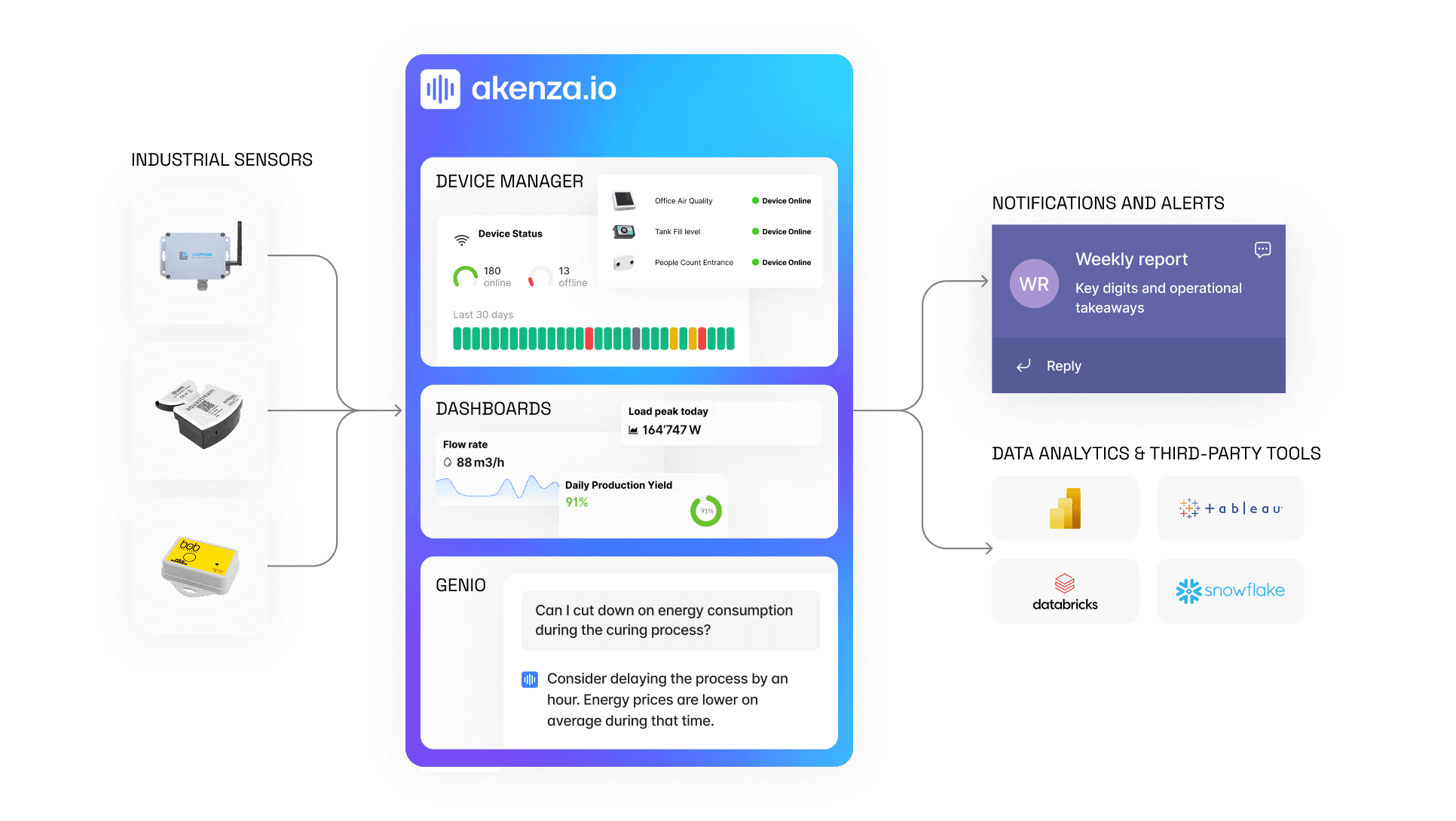
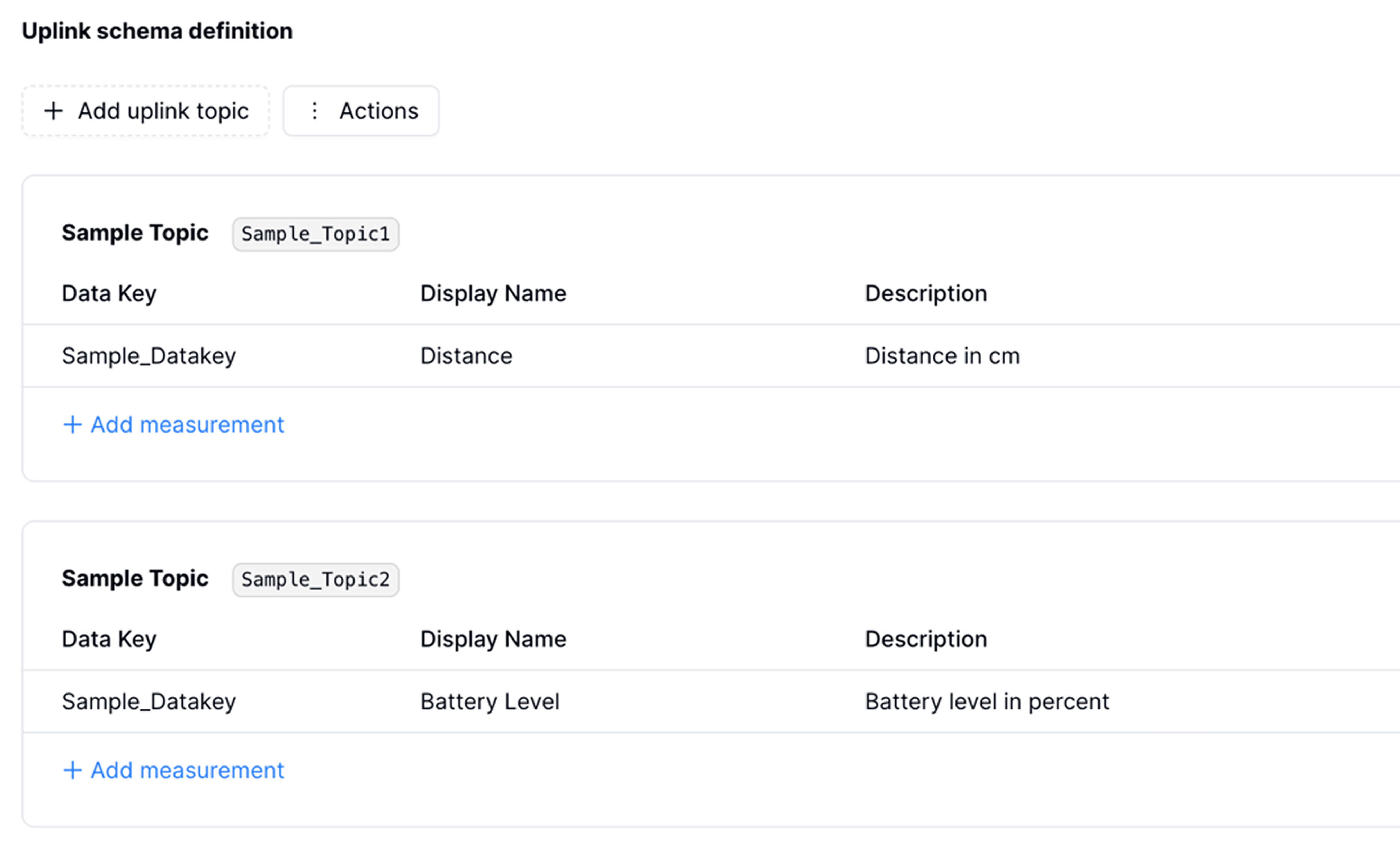
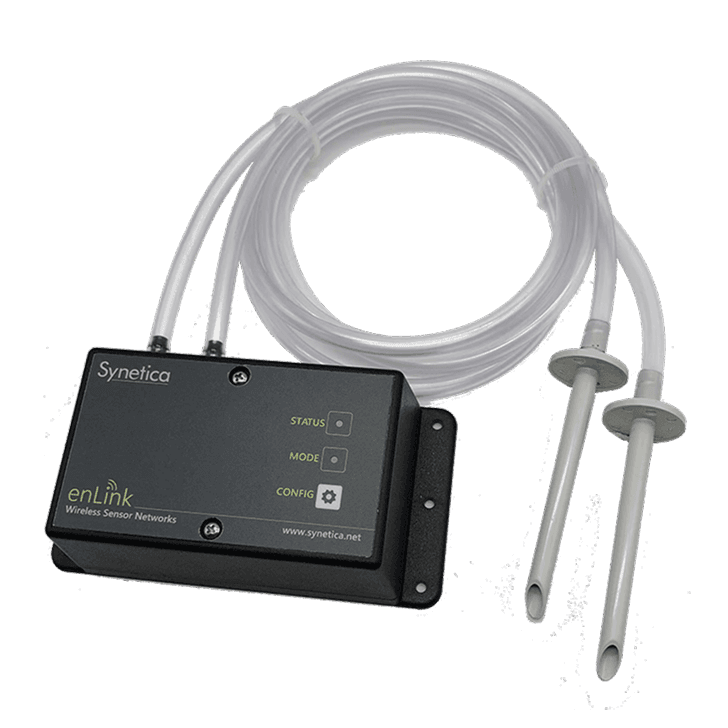
Connect legacy machinery, modern sensors and PLC systems to akenza.
Use the akenza Rule Engine to define operating parameters and threshold values.
Trigger alerts and actions based on one or more parameters.
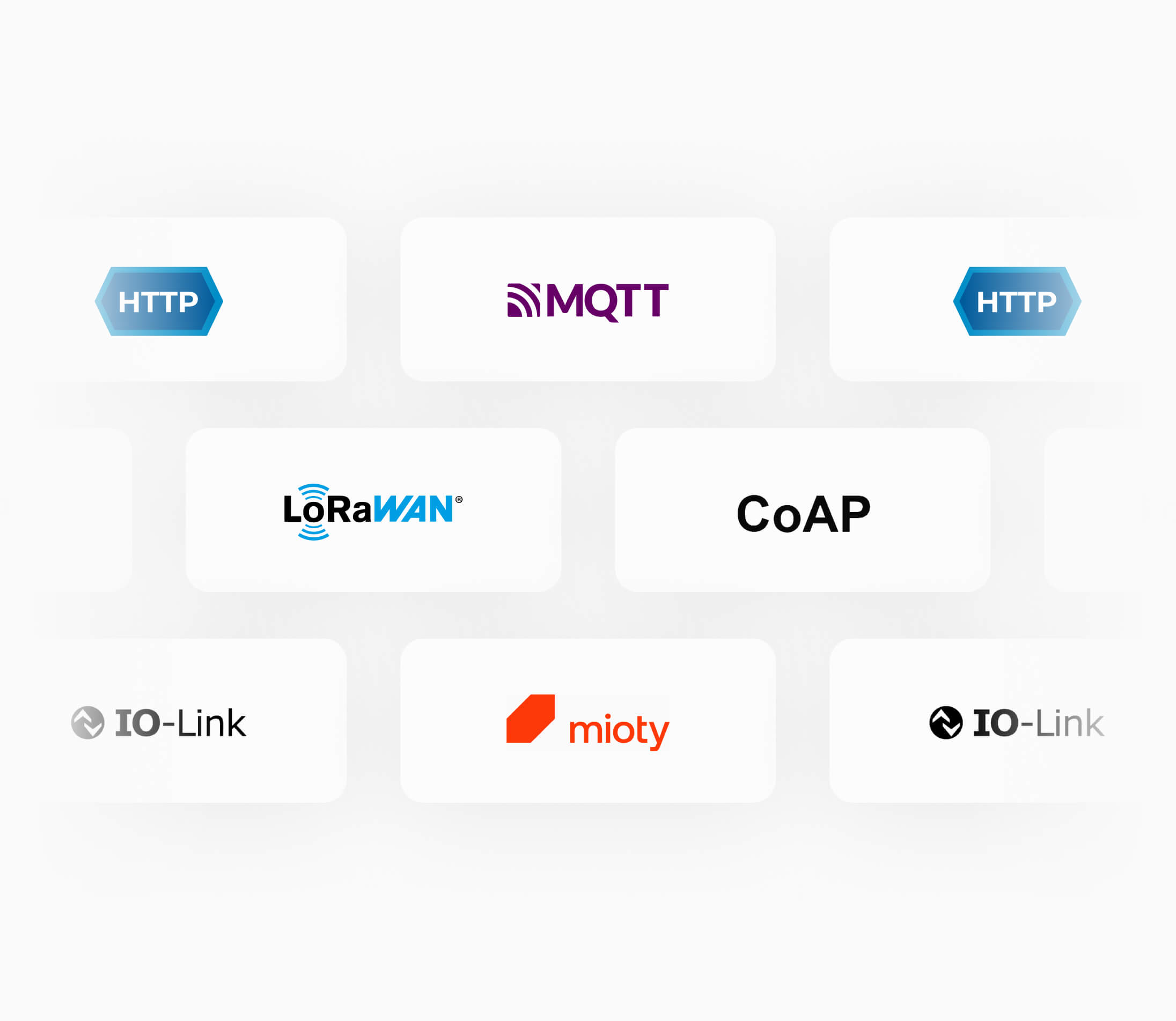
Use any protocol: LPWAN support, NB-IoT, LTE-M, MQTT, HTTP, CoAP and more.