
Case study
Mastering large-scale smart building rollouts
Julie Sylvest

Deploying IoT sensors across large real estate portfolios can feel like a daunting task. But it’s one that akenza has spent years perfecting.
Over five years, akenza and ELSYS have deployed approximately 12,000 sensors. The real milestone isn’t just the sheer volume. It’s achieving an installation pace of 300 devices per person in a single day. How is it done?
It comes down to a blend of factory preparation, on-site setup, and quality control.
The process behind speedy deployments
The key to mastering large-scale deployments lies in optimizing the setup process before a technician ever steps foot on-site.
1. Factory prep
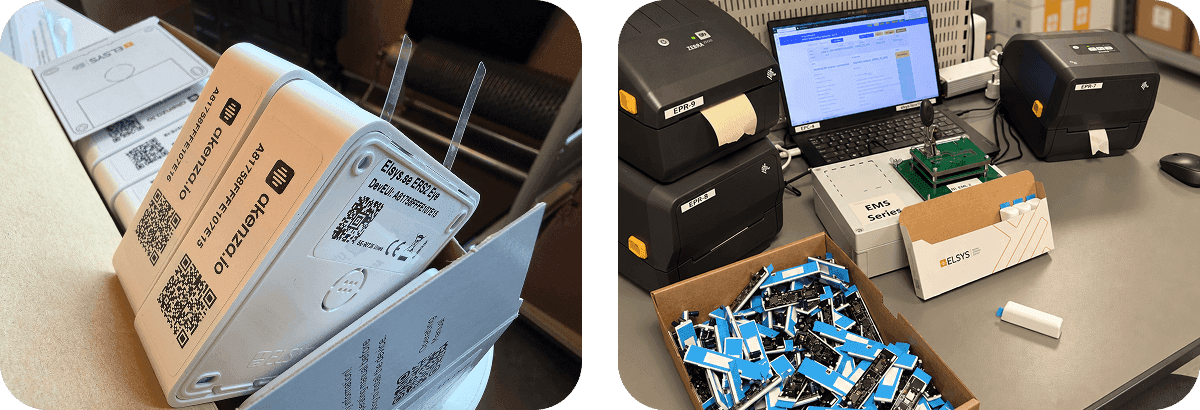
Preparation begins directly at the factory, where ELSYS prints a unique QR code on every device. Installers later scan the QR code with the Device Setup Assistant from akenza. Sensors arrive in boxes with batteries pre-installed and pull-tabs ready, eliminating the time-consuming process of manual assembly during installation. To place a device, you simply remove the pull-tab, and it powers on automatically.
2. On-site setup
Once on-site, a technician scans, pairs, and places a device in under a minute using akenza's Device Setup Assistant. The installer scans the QR code using a mobile device and attaches metadata such as the location, floor, and room in real time. The installation requires no specialized technical expertise.
3. Bulk imports and quality control
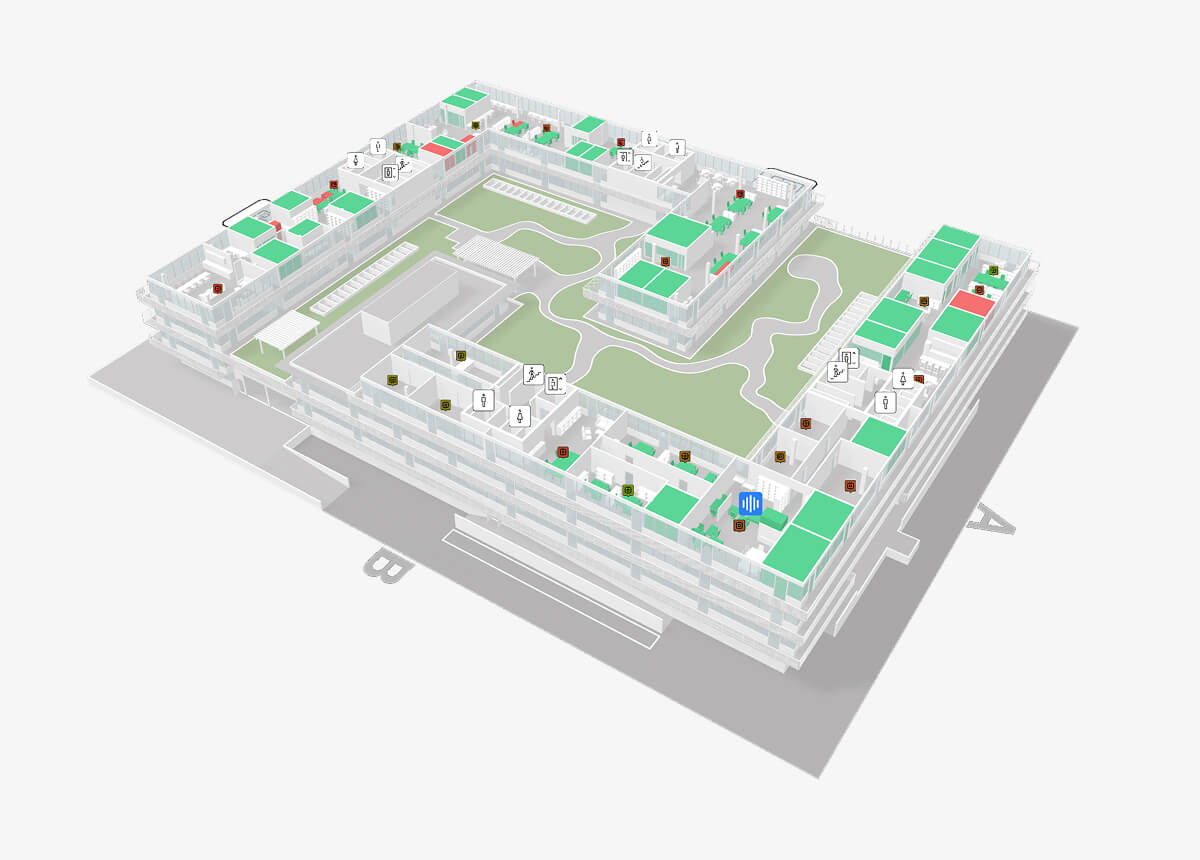
Bulk import features handle device fleet onboarding quickly. Quality control happens live through a 3D floor plan view. The instant a sensor pairs and transmits data, it lights up on the digital twin, giving managers immediate visual verification that every device is online and correctly placed.
The sensors feed desk occupancy, meeting room occupancy, and indoor air quality data into the akenza platform, alongside existing Building Management System (BMS) data.
Lessons learned from field testing
That’s how it works on paper. Scaling it across real buildings taught us a few things along the way.
Execute in phases: Installing a single floor first allows teams to measure their actual installation pace, identify unforeseen obstacles, and calibrate staffing before expanding to the entire building and, ultimately, multi-site portfolios.
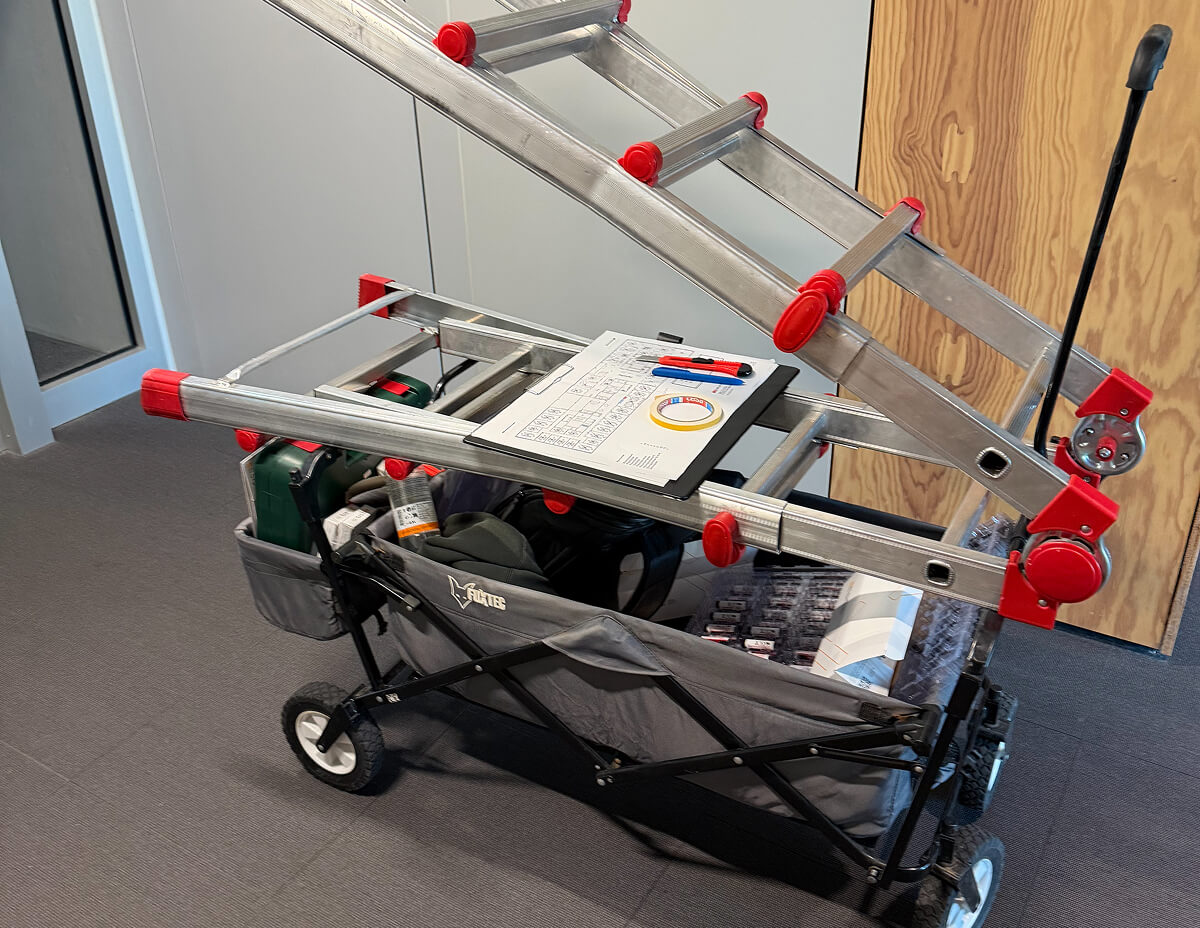
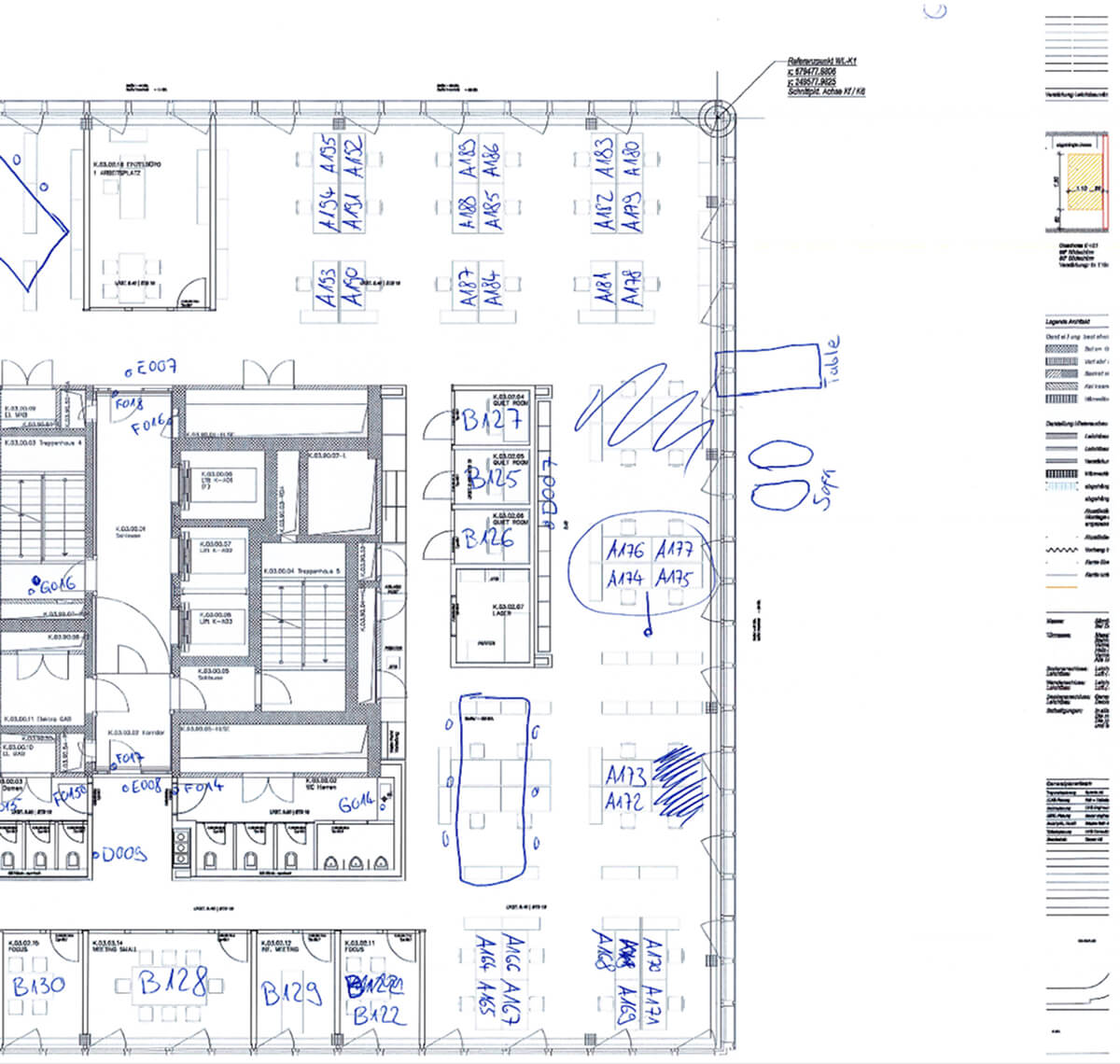
Adapt to real-world situations: Actual desk layouts frequently differ from architectural blueprints. Technicians must be prepared to update floor plans live during installation and maintain flexibility when encountering physical obstacles like acoustic ceiling panels or unmapped furniture.
Simplify network infrastructure: In the case of LoRaWAN-based deployments, one might need several LoRaWAN gateways to cover a whole building. However, deploying a Distributed Antenna System (DAS) can allow a single LoRaWAN gateway located in the basement to cover an entire multi-story facility via ceiling antennas and amplifiers.

Communicate proactively with employees: Involve staff representatives or unions early before installation day. Occupancy sensors are an easy target for suspicion, and a deployment that isn't clearly communicated can look like surveillance, even when it's only measuring desk or room usage.
Why process matters as much as the tech
ELSYS sensors and the akenza platform handle the heavy lifting for deployments, but reliability also comes down to process: phased execution, adapting to real floor plans, and communicating clearly with the people who'll be working in that space. Technology and process together are what make large-scale deployments quick and repeatable, floor after floor and building after building.
Planning an IoT rollout or looking to simplify your device management? Reach out to the akenza team to connect with our IoT solutions experts.
Discover more blog posts


Need help with your IoT project?
To learn more about how akenza can help you build smart solutions with ease, contact us or directly sign up for a free trial today.
Changelog
If you want to follow the latest updates and upcoming features of akenza in real-time, be sure to check our changelog.