
Case study
Maximum Reach, Minimal Power for Indoors: Deploying LoRaWAN on Distributed Antenna Systems
Alexis Leibbrandt

LoRaWAN has proven to be a powerful technology for enabling sensor-based smart building use cases such as occupancy monitoring or energy monitoring. A broad ecosystem and a wide range of existing off-the-shelf devices enable reliable large-scale rollouts.
However, ensuring reliable indoor coverage in large buildings or other complex infrastructures is not without its challenges. Due to different building structures and materials, indoor LoRaWAN coverage is often heterogeneous, creating different zones with stronger and weaker signal penetration. Poor connection quality leads to increased data loss and a high spreading factor consumes the batteries much faster than planned. It is therefore essential to ensure even, good indoor coverage.
In many cases, this requires installing multiple LoRaWAN gateways, which quickly drives up expenditure and complexity. It is not always clear from the beginning how many gateways will be needed, as the exact number of gateways required can often only be determined after testing with the specific sensors. Finding the ideal location for an additional LoRaWAN gateway might also not be easy due to space or accessibility constraints. This is not ideal for large-scale, reliable Indoor LoRaWAN network and sensor rollouts at the enterprise level.
Future-proofing buildings with DAS and integrated IoT
Distributed Antenna Systems (DAS) are designed to distribute strong radio signals (such as mobile, emergency, or private network signals) evenly throughout the building. They consist of a main headend, where the mobile signal is injected, connected via coaxial cables to multiple antennas installed across floors and areas.
DAS is becoming an essential part of modern building infrastructure due to the surging demand for reliable indoor wireless connectivity. Over 80% of mobile calls start or end indoors, and data consumption continues to grow exponentially. Modern structures with their thick walls, steel, and concrete often impede outdoor cellular signals, creating "dead zones" that DAS is designed to eliminate.
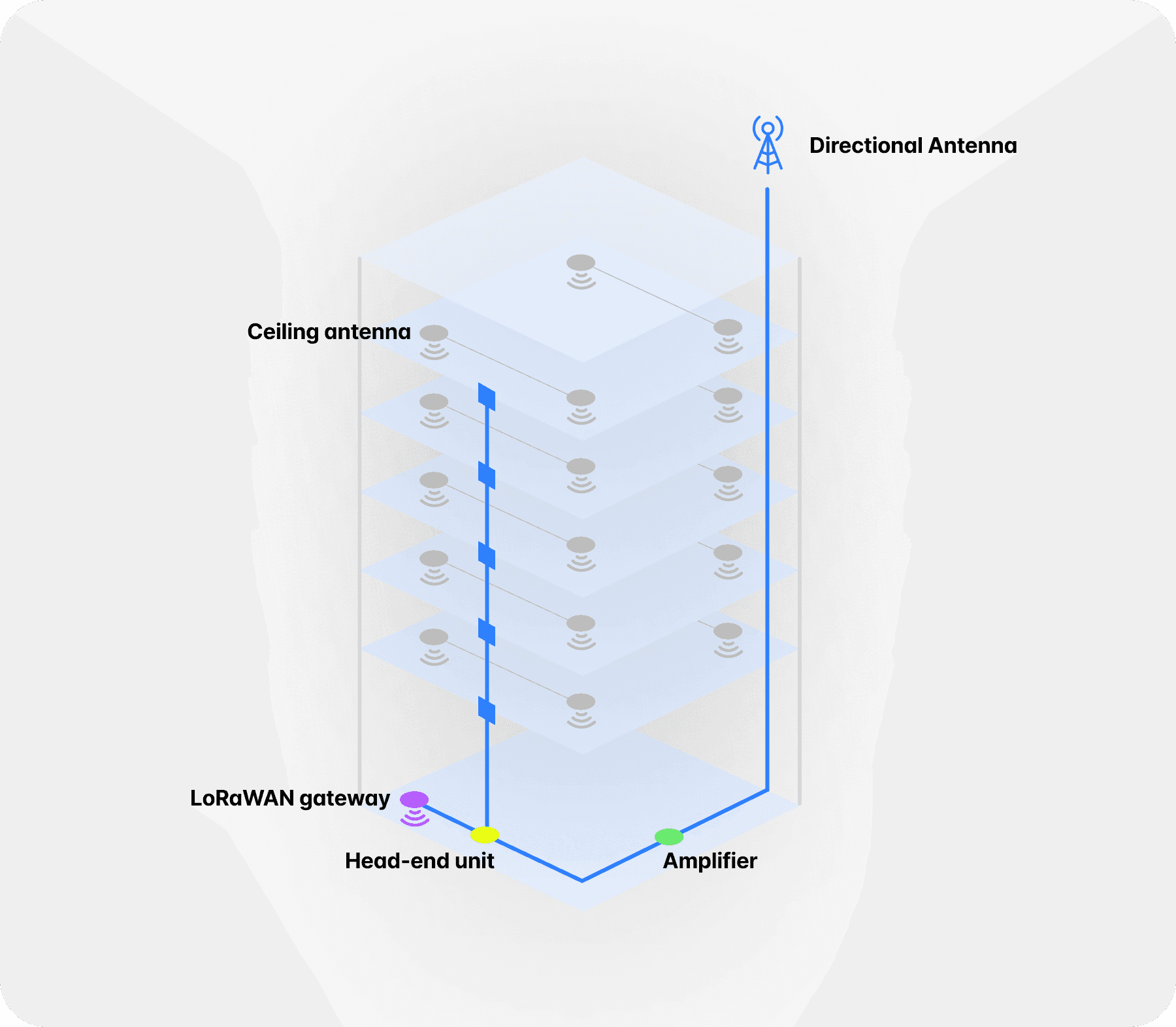
Typical Distributed Antenna System (DAS) in a multi-storey building.
Instead of deploying multiple LoRaWAN gateways, we can reuse this existing DAS infrastructure by connecting a single LoRaWAN gateway to the head-end of the DAS infrastructure.
With this setup, the LoRaWAN signal can now be distributed evenly throughout the entire building via the existing antenna network. Since the DAS already provides the physical network backbone (cabling and distributed access points/antennas), a separate, redundant IoT network and additional gateways are avoided.
In such a setup, LoRaWAN handles the numerous, power-frugal IoT devices transmitting small data packets, while the traditional DAS continues to support high-bandwidth, low-latency applications such as voice calls and mobile broadband. This convergence maximizes the return on investment (ROI) for the in-building network by leveraging existing infrastructure for both traditional mobile communications and modern IoT.
Examples of DAS and LoRaWAN integrations with akenza
Adding LoRaWAN to Zurich Insurance's DAS system in the Skykey building
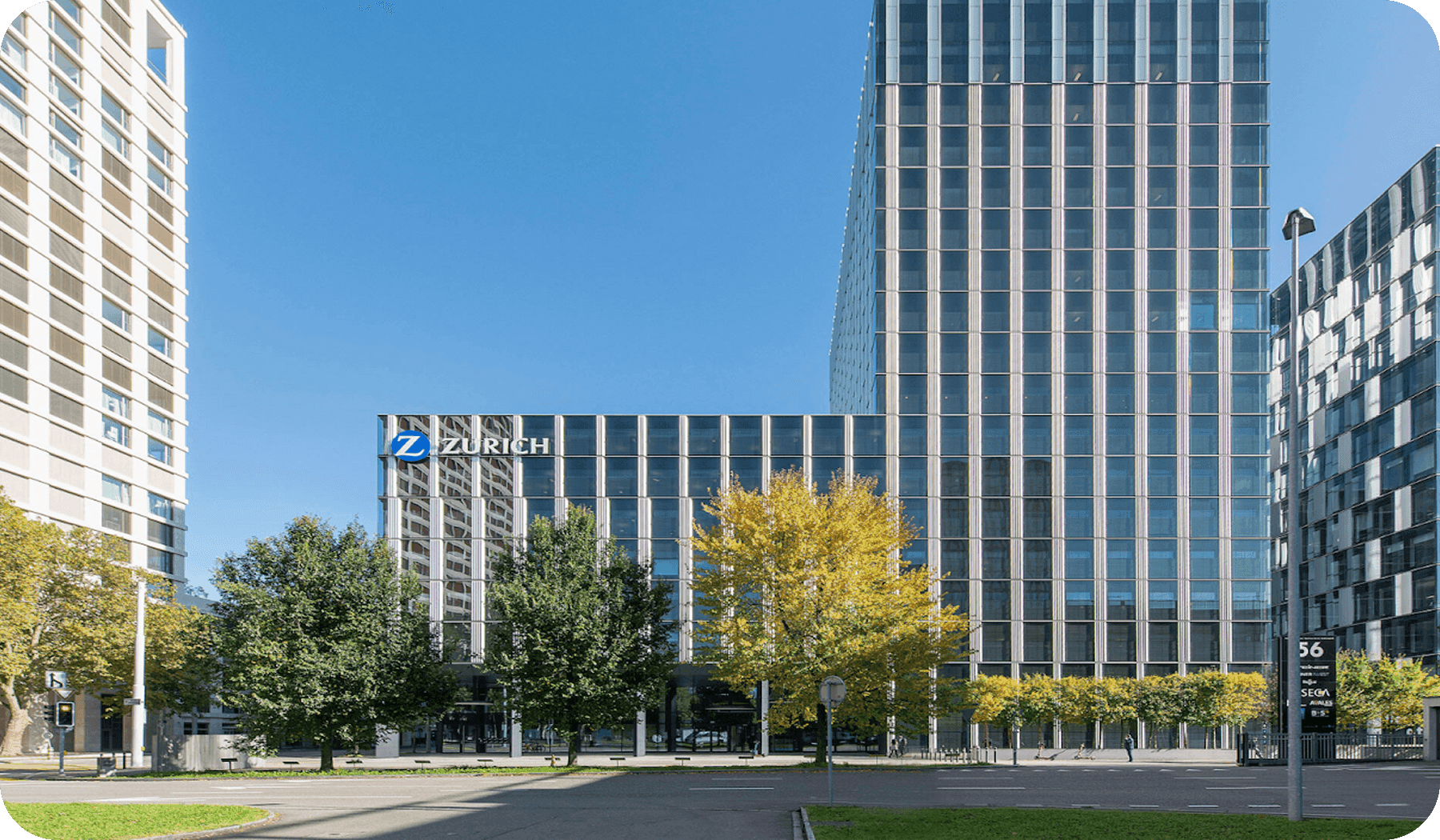
Skykey is a landmark skyscraper in trendy Zurich Oerlikon, meeting the highest technological, economic, and ecological standards. It provides 40’000 m² of office space for 2,400 office workstations.
Akenza and Zurich Insurance have realized multiple LoRaWAN-based use cases throughout the building. By adding the LoRaWAN signal to the DAS System, we have saved on multiple additional gateways and easily expanded coverage to the entire building.
Modulating LoRaWAN onto a 12km antenna cable within a hydroelectric dam
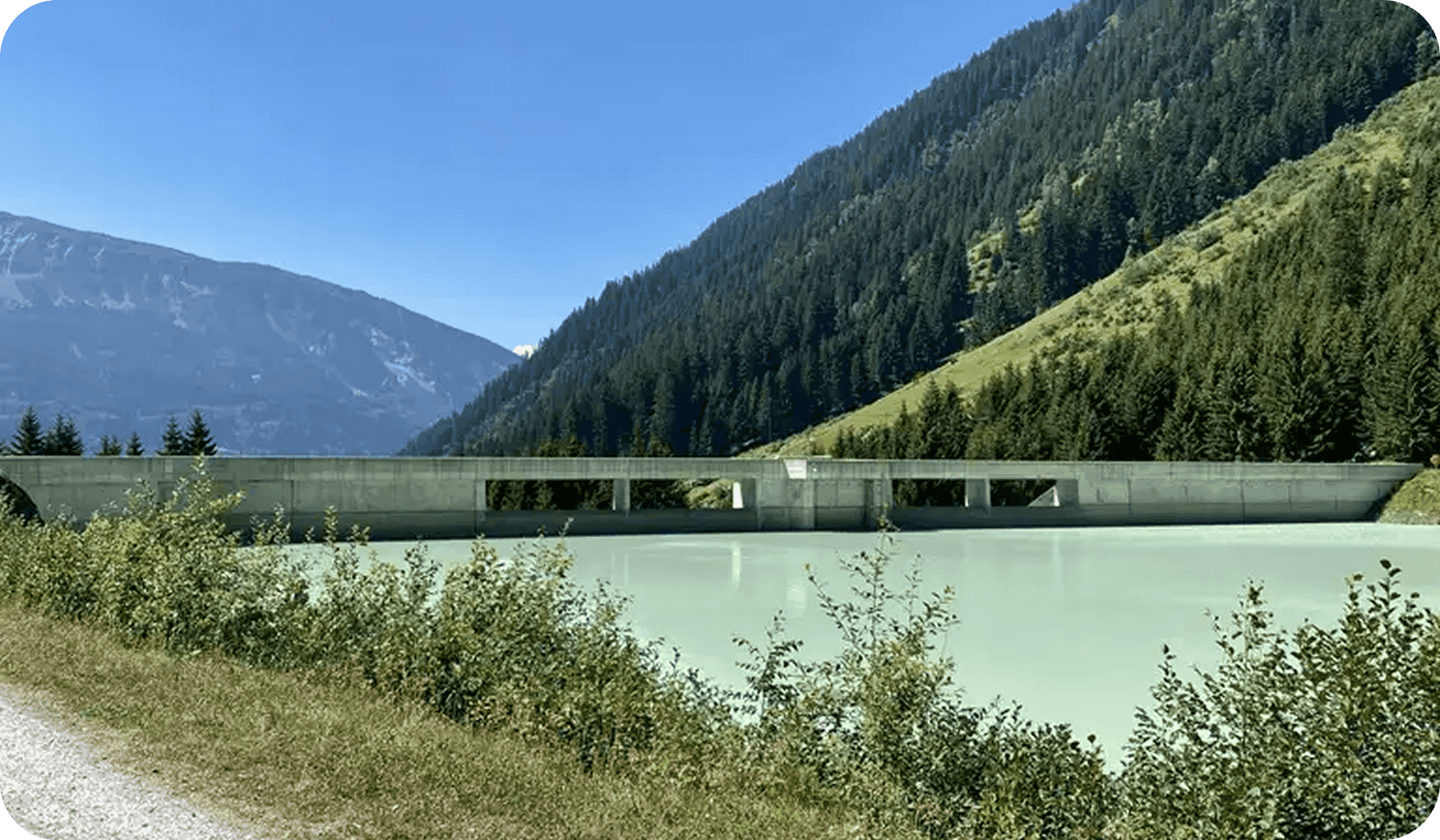
The Barcuns hydroelectric Dam in Val Russein in Switzerland's Canton Graubünden, provides the electricity for around 17,000 households.
Monitoring systems in hydroelectric dams are crucial components to ensure the structural integrity of the infrastructure. Those monitoring devices are sometimes embedded in concrete and partially wired up, which makes adjustments and retrofitting very difficult. On the other hand, the antenna cable for the professional mobile radio within the Barcuns Damm has a total length of over 12km, spanning through the whole concrete structure and the wide underground tunnel system. By modulating the LoRaWAN signal onto the existing cable, the client has achieved LoRaWAN coverage throughout the whole tunnel system.
This allows the use of the same sensor radio technology indoors as outdoors, reducing the complexity of the measurement setup.
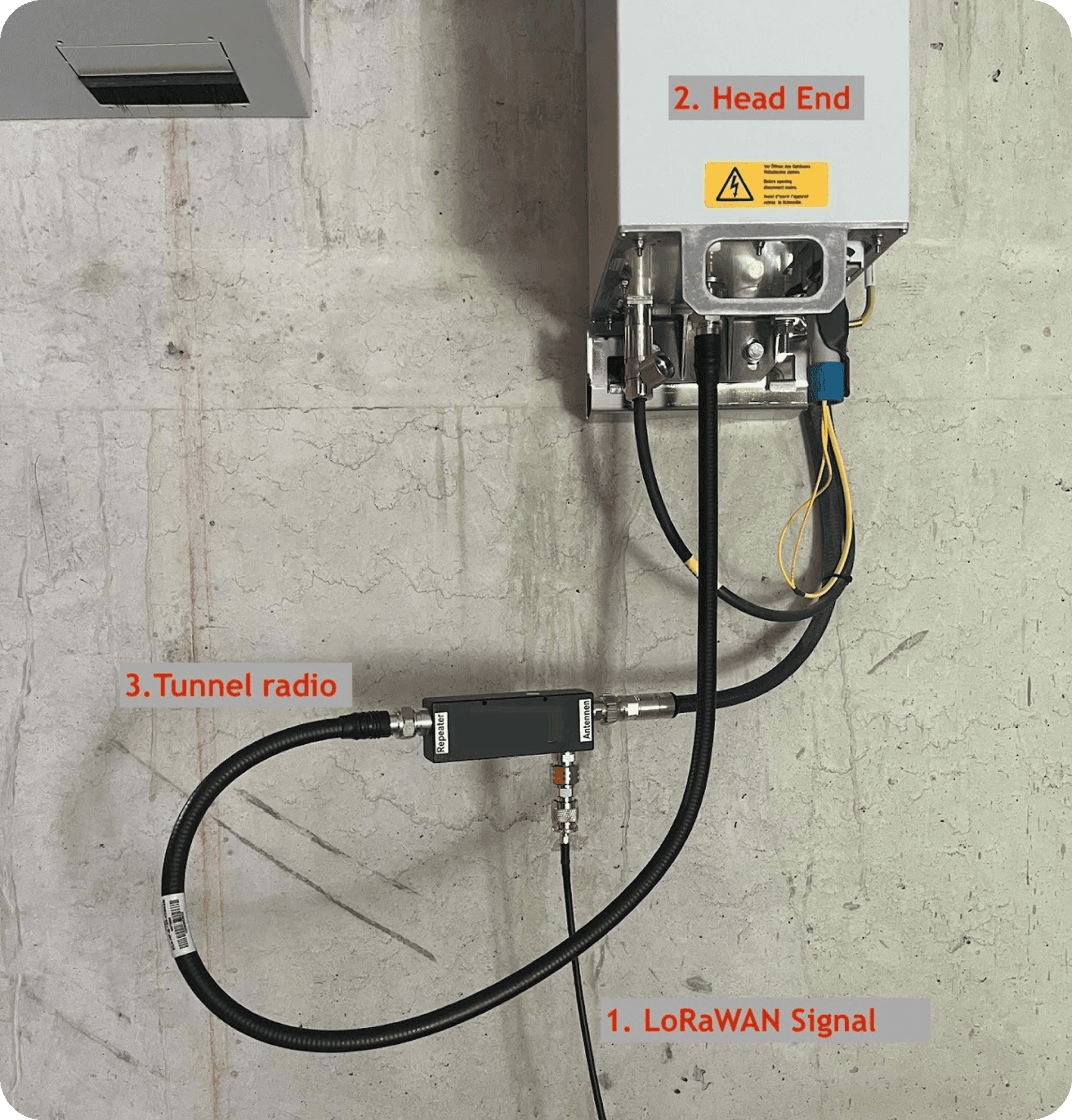
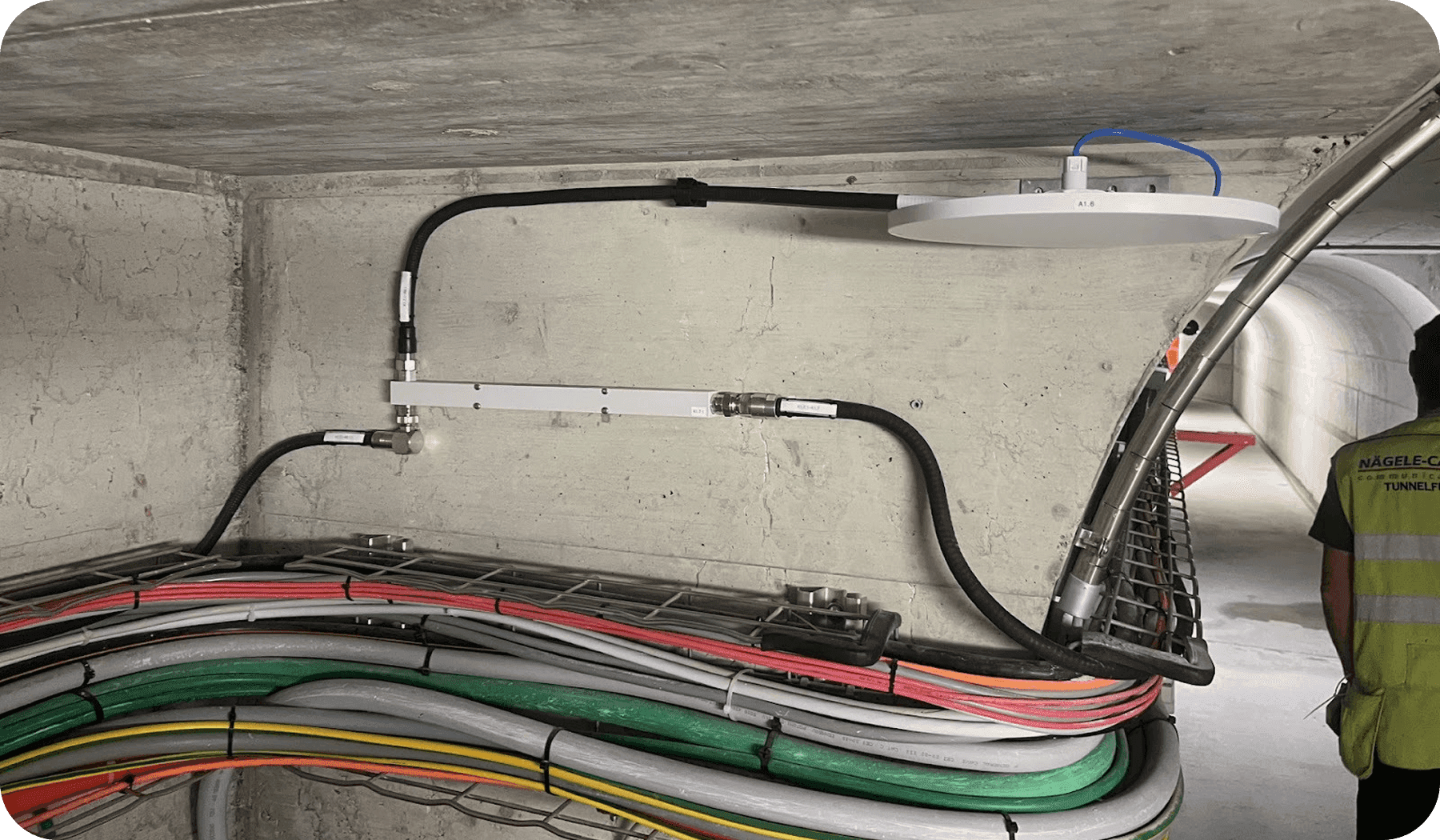
The antennas in the underground tunnel system now also provide a LoRaWAN Signal
Benefits of LoRaWAN over Distributed Antenna Systems
Even and predictable coverage: Reusing a pre-engineered RF network minimizes coverage uncertainty.
Faster and simpler rollout: faster installation and less LoRaWAN coverage testing.
Lower CAPEX and OPEX: less equipment to install, monitor, and maintain.
Let's look at a cost calculation example for a recent enquiry we received.
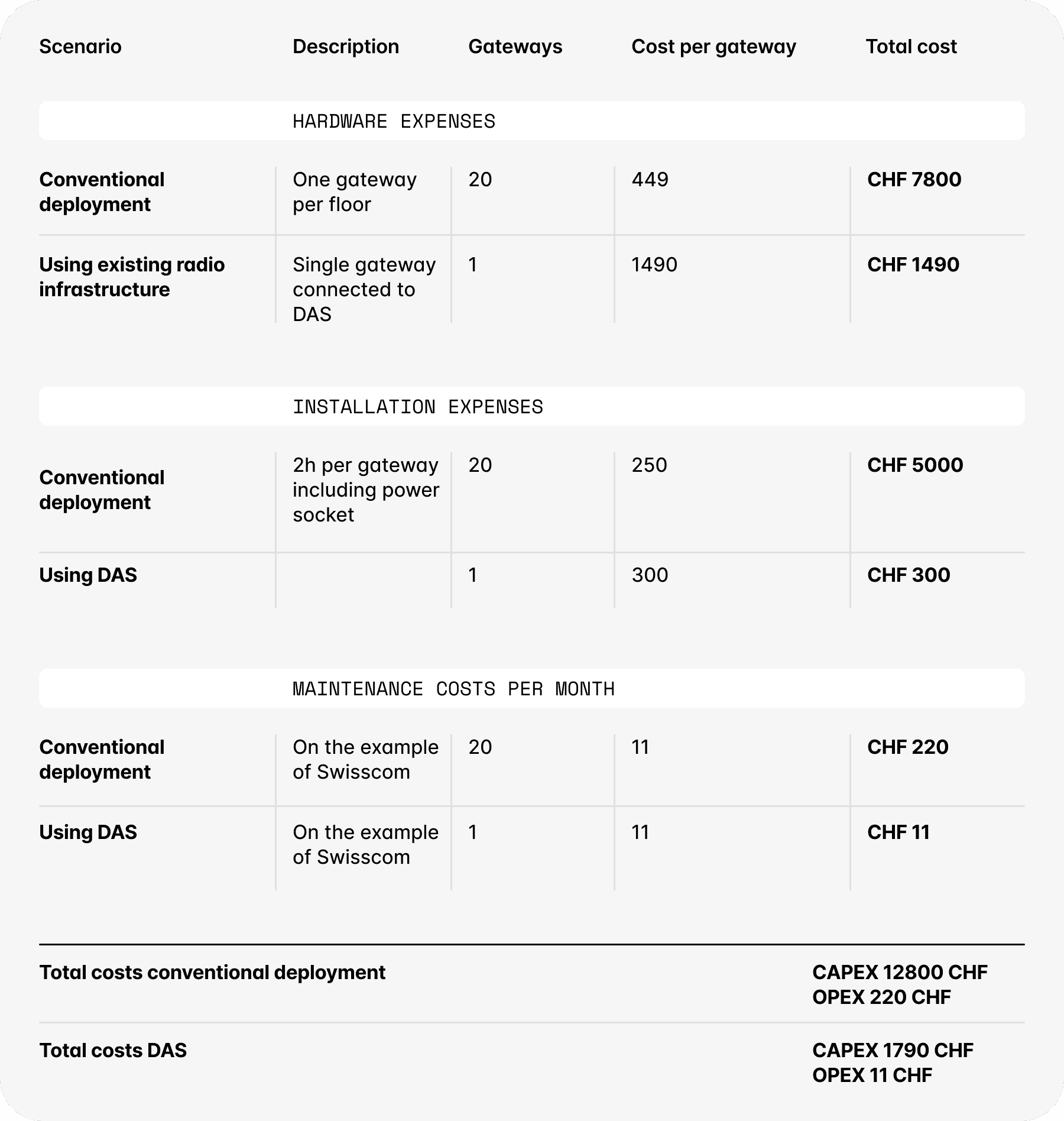
Expenses to deploy a LoRaWAN private network in a building of 20 floors.
Do you want to know more about how we implemented this approach for our customers?
Contact us to learn more.
Discover more blog posts


Need help with your IoT project?
To learn more about how akenza can help you build smart solutions with ease, contact us or directly sign up for a free trial today.
Changelog
If you want to follow the latest updates and upcoming features of akenza in real-time, be sure to check our changelog.